Thursday, August 31, 2006
Tekstiä toisessa blogissa
Pistin juuri toiseen blogiini tekstin, jonka pohjalta aion puhua huomenna perjantaina Tietokirjailijoiden järjestämässä seminaarissa. Klo 14 Tieteiden talossa! (Engl. summ.: it's about a longish article I posted on my other blog. It's in Finnish.)

Tuesday, August 29, 2006
Spillane-korjaus
(English summary: I noticed that there were errors in the bibliography of Finnish Spillane translations.)
Tämmöiset huomasin puuttuvaksi Pulpografiassa olevasta ja tänne Pulpettiin pistetystä Spillanen kioskikirjasuomennosten bibliografiasta. Jos olisin ottanut mukaan kovakantisetkin suomennokset ja Viihdeviikarien/Book Studion 80- ja 90-lukujen kirjat, lista olisi kahta pidempi. (Minua kyllä kritisoitiinkin aikoinaan Book Studion kirjojen poisjättämisestä. Täydennetyssä ja korjatussa laitoksessa ne ovat mukana...)
En jaksa formatoida näitä sen kummemmin, napsin ne vain Fennicasta.
Nainen ilman kasvoja / Mickey Spillane ; suom. Risto Kalliomaa
Julkaisija: Hämeenlinna : Nide , 1955
Ulkoasu: 191 s.
Alkuteos: The big kill
Lisäpainos: 2. p. 1957, (180 s.)
Teoksen nimi: Mike Hammer iskee.. / Englanninkielestä suom. Tapio Hiisivaara
Julkaisija: Alavus : Valpas-mainos , 1967
Ulkoasu: 293 s.
Sarja: (Ässä-sarja ; 8)
Alkuteos: The big kill
Teoksen nimi: Mike Hammer iskee.. / Mickey Spillane ; suomentanut Leevi Lehto
Julkaisija: Helsingissä : Otava , 1992 (Keuruu
Ulkoasu: 256 s. ; 19 cm
Sarja: (Top books)
Alkuteos: The big kill
Tämmöiset huomasin puuttuvaksi Pulpografiassa olevasta ja tänne Pulpettiin pistetystä Spillanen kioskikirjasuomennosten bibliografiasta. Jos olisin ottanut mukaan kovakantisetkin suomennokset ja Viihdeviikarien/Book Studion 80- ja 90-lukujen kirjat, lista olisi kahta pidempi. (Minua kyllä kritisoitiinkin aikoinaan Book Studion kirjojen poisjättämisestä. Täydennetyssä ja korjatussa laitoksessa ne ovat mukana...)
En jaksa formatoida näitä sen kummemmin, napsin ne vain Fennicasta.
Nainen ilman kasvoja / Mickey Spillane ; suom. Risto Kalliomaa
Julkaisija: Hämeenlinna : Nide , 1955
Ulkoasu: 191 s.
Alkuteos: The big kill
Lisäpainos: 2. p. 1957, (180 s.)
Teoksen nimi: Mike Hammer iskee.. / Englanninkielestä suom. Tapio Hiisivaara
Julkaisija: Alavus : Valpas-mainos , 1967
Ulkoasu: 293 s.
Sarja: (Ässä-sarja ; 8)
Alkuteos: The big kill
Teoksen nimi: Mike Hammer iskee.. / Mickey Spillane ; suomentanut Leevi Lehto
Julkaisija: Helsingissä : Otava , 1992 (Keuruu
Ulkoasu: 256 s. ; 19 cm
Sarja: (Top books)
Alkuteos: The big kill
Sorry: misleading Macdonald title
There's an error in the books of my life meme below: the Ross Macdonald book I first read wasn't The Drowning Pool, it was The Sleeping Beauty. (And I may have never reread it.) But I did see the Paul Newman film, Harper, quite early on, it's based on The Drowning Pool (if I remember correctly, which seems rare these days). That's maybe why I got them mixed. (Why don't you Finnish readers ever correct me in these matters?!)
Monday, August 28, 2006
Totuus Pekka Siitoimesta
http://keskustelu.suomi24.fi/show.fcgi?category=114&conference=4500000000000052&posting=22000000015723424
(English summary: I stumbled on a link that tells the truth about the legendary Finnish nazi leader of the seventies, Pekka Siitoin.)
(English summary: I stumbled on a link that tells the truth about the legendary Finnish nazi leader of the seventies, Pekka Siitoin.)
On fan fiction
There's been a hot debate going on in Lee Goldberg's blog about fan fiction (small wonder, since Goldberg is a known hater of fan fiction). Check it out if you can: there's over 50 comments. No use trying to say anything pro or against, but everyone should admit that fan fiction will be with us for a long, long time, since it's about narcism and narcissistic culture where everyone wants to get their share of the glory, be it about web-published amateur Harry Potter porn or a real money-making best seller.
Another truth is that there's always been fan fiction. I bought some kiddie-made magazines from the early seventies from a flea market. There were two stories with Donald Duck as the hero! (I may scan some of these in the near future, but with all the job stuff happening suddenly, don't know when (or where).)
Another truth is that there's always been fan fiction. I bought some kiddie-made magazines from the early seventies from a flea market. There were two stories with Donald Duck as the hero! (I may scan some of these in the near future, but with all the job stuff happening suddenly, don't know when (or where).)
Manuscript completed
Um, well, hopefully.
I'm talking about the crime novel I'm sending to a crime novel contest. There are actually two, but this is the one that was originally about Joe Novak in the late fifties' Hollywood. I've been very stressful about this, since no matter what I do about it, it still seems unfinished. Maybe it's just the stress. Or then it sucks big time. Nevertheless, I finished editing it thirty minutes ago, writing at least one completely new scene. Now I'm all jitters. Do I get to sleep at night? Seems doubtful.
The other manuscript has been completed a week or two ago. I'll still have to look at it, though.
***
Check out the Helsinki complaints choir here. A friend of mine is singing there, but I don't find her in the crowd.
I'm talking about the crime novel I'm sending to a crime novel contest. There are actually two, but this is the one that was originally about Joe Novak in the late fifties' Hollywood. I've been very stressful about this, since no matter what I do about it, it still seems unfinished. Maybe it's just the stress. Or then it sucks big time. Nevertheless, I finished editing it thirty minutes ago, writing at least one completely new scene. Now I'm all jitters. Do I get to sleep at night? Seems doubtful.
The other manuscript has been completed a week or two ago. I'll still have to look at it, though.
***
Check out the Helsinki complaints choir here. A friend of mine is singing there, but I don't find her in the crowd.
Sunday, August 27, 2006
The Ben Slayton series
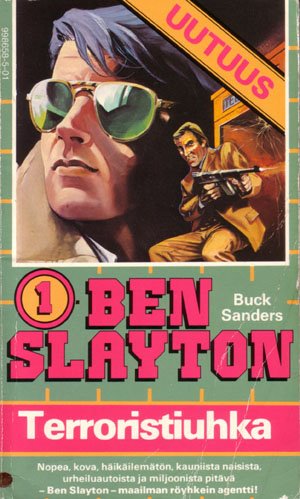

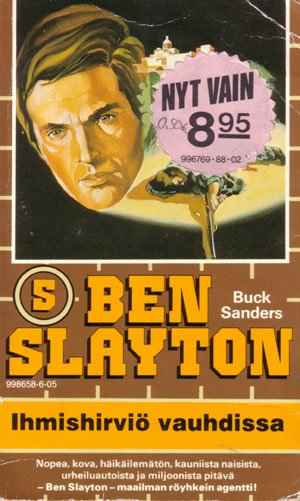
Ben Slayton was the hero of the five-book series that was written by Thomas Adcock and Jeffrey Frentzen in the early eighties. Here are three of the Finnish covers. I hear from a reliable source that the books are pretty bad.
Friday, August 25, 2006
Robert Jordan's westerns
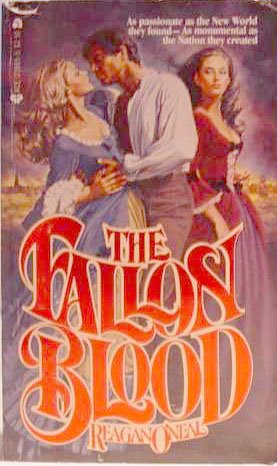

Here are covers for two of Robert Jordan's westerns that were discussed shortly in a comment to a previous post about his Conans. Both are from the early eighties and they have been reissued in the nineties under Jordan's real name. It seems, though, that there are so many Jordan fans out there that there are no single copies found in Abebooks for the first editions!
The Fallon series is not technically a western, but it's about the American revolution, so it comes close. The series had three books.
Wednesday, August 23, 2006
The books of my life
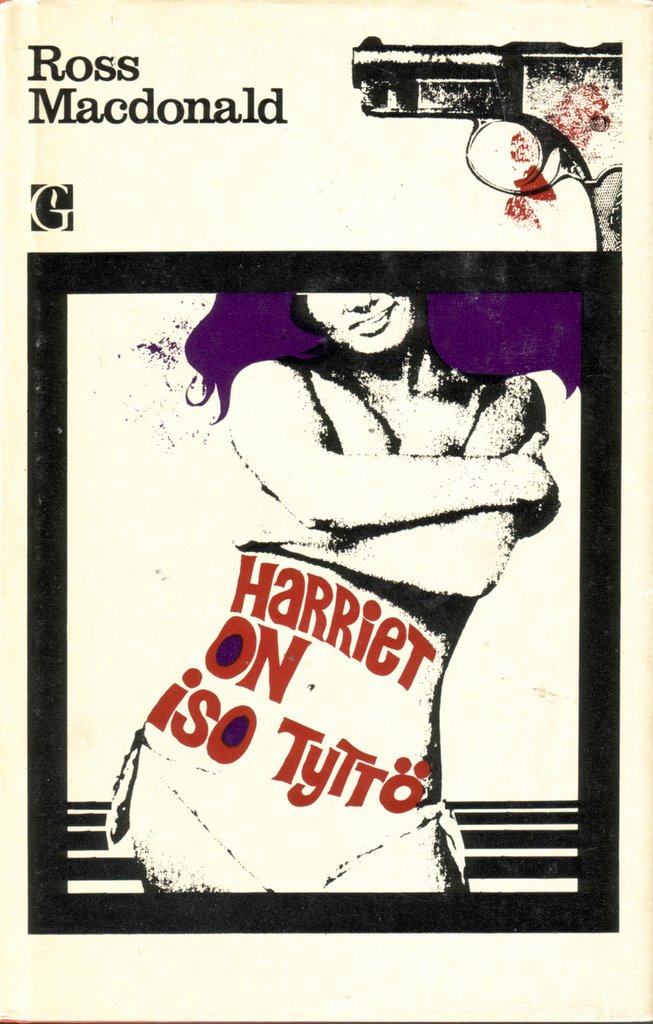
Thanks to Lurker, here's a meme about books of my life.
1. The book that changed my life
I believe it was Ross Macdonald's The Drowning Pool (which was translated as Nukkuva kaunotar, if I remember correctly; too lazy to check now). I'd been reading some Christie and other stuff of her ilk, but then, maybe due to my father's suggestion, I read this while I was 13 or so and was blown away: how can you write about people this real? how can a crime novel be this haunting and true? how can the things in the book stay with you so hard? I'm still a devoted reader of Macdonald, even though I haven't had a chance to reread him as much as I'd like to. My favourite Macdonald, though, has been The Zebra-Striped Hearse (Harriet on iso tyttö).
2. A book that I've read more than once.
There are so many. There's one book that I could read over and over again without being bored: Oliver Bleeck's AKA Ross Thomas's The Brass Go-Between/31 kiloa pronssia. Must be one of the most entertaining books ever written. It may not even be the best crime novel there is, let alone the best novel, but you just can't put it down once you've started. There's also a book that I reread immediately after having read it: the first one of Ursula LeGuin's Earthsea series.
3. A book I'd like to take with me to a deserted island.
Allen Hubin's crime fiction bibliography, possibly with additions on CD and the web.
4. A book that made me a tramp ("hupakko"; I can't think of a better word here).
There's no such thing. Or if there is, it's probably A Man With a Maid by anonymous. (Herra Jackin ihmeellinen huone in Finnish.)
5. A book that made me burst into tears.
I was pretty down after reading Lord of the Rings for the sixth or seventh time five or six years back. The ending is very sad, but the atmosphere in the scenes that take place in Mordor is so grim that it stuck with me for at least a week. Maybe not tears. I cry at movies - Dumbo, for example, is a real tear-jerker for me.
6. A book that I'd wish was written
Pulpografia Fennica. But I'd wish it was written or at least edited by me.
7. A book that I'd wish was never written
The Bible?
8. The book that I'm reading now
Stephen Frances's This Woman Is Death (1965; Mieluummin kuolla in Finnish). A spy thriller by the creator of Hank Janson. Weird, sad atmosphere and quite a controversial hero - a pacifist who's recruited into the world of spies strictly out of boredom. I liked Frances's The Sad and Tender Flesh (1966) very much and recommend this also.
9. A book that I've been meaning to read
Something by Emanuel Swedenborg
10. Challenge five other bloggers
Can't think of any, unless Vesa Sisättö wants to tackle this. Or Jukkahoo. It seems that I have no friends here, doesn't it. Grim story of my life.
Jaakko Ensio, Stirring Science Stories et alii.
I forgot to mention that you should check the Con-Kurssi file No. 4, since it contains an interview with my writer buddy, Jaakko Ensio, who turns out to be almost 90! No wonder since he got started in 1940.
Fellow blogger Lurker bought the issue of Stirring Science Stories and reviews it here (in Finnish, that is). He also took some photos of the Fantasia Noir panel and posted them here. I'm the one with the green Hawaiian shirt. Stepan Chapman is on my right side and Ilja Rautsi on the left.
Lurker also challenged me to a meme. Later, later.
Fellow blogger Lurker bought the issue of Stirring Science Stories and reviews it here (in Finnish, that is). He also took some photos of the Fantasia Noir panel and posted them here. I'm the one with the green Hawaiian shirt. Stepan Chapman is on my right side and Ilja Rautsi on the left.
Lurker also challenged me to a meme. Later, later.
Sunday, August 20, 2006
My FinnCon

As I wrote earlier, I'm not really part of the Finnish SF fandom. I'm somewhere on the fringes, knowing lots of guys (and gals, too, got to hug one of them earlier today, em, I mean on Sunday), writing occasionally for the fanzines, selling my own pulp-related mags and fictionmags like Isku to some of the fandom's more educated members, but I just can't share their enthusiasm for the main thing: science fiction. And I'm so way past my intellectual phase that I can't even stand the elitism they seem to have in common with each other. (Let me get back to that later on.) And they seem to be so damn serious about everything! Loosen up a little!
Well, that said, I rather enjoyed myself. Wouldn't have, perhaps, unless I hadn't had an opportunity to booze around with my friends Vesa and Ville H. last Saturday night. It was nice and we had our share of good ideas for forth-coming book projects.
What exactly happened there? We did three issues of aptly stupidly titled Con-Kurssi (the Finnish word for "bankruptcy" is "konkurssi) with my friend Vesa Sisättö. You can check the results in PDF here. There's also James Reasoner saying why Robert E. Howard matters (he's in number 3). It had to to with a panel I was in with four other guys, including graphic novel artist Petri Hiltunen and Praedor novelist Ville Vuorela, about Howard.
It seemed to be a very much liked panel with people giving lots of applause at the end - even though we didn't have a moderator! When I walked to the room and said "hi" to the other guys, they asked me if I was the moderator. We talked lots about the politics, since Howard has been criticized for being racist, sexist, male chauvinist and even fascist. We settled for an agreement that in his stories there's a strong streak of anarchism (or libertarianism), but not a leftist one (as in the sense of Kropotkin or Bakunin). After the panel I recruited Ville Vuorela to write for Seikkailukertomuksia/Adventure Stories I'll be publishing later this year - and hopefully again next year!
I was also in another panel, hosted by Ann VanderMeer (her husband, Jeff VanderMeer, was one of the guests of honor and had his first book, an Ambergris collection, translated to the Con). The panel was about horror, even though it was supposed - at least I thought so - to be about the new weird movement, since the title of the panel was Fantasia Noir (not "fantastic noir", as I wrote earlier*). Well, whatever it was about, this also turned out just fine, even though we didn't have mikes and had to speak up pretty loud. It's hard to speak up loud when you're not speaking in your mother tongue. But Ann was a very good moderator, smooth and polite, but also very informative.
Stepan Chapman (whose The Troika was also translated with VanderMeer's Ambergris) was also there in the panel and he sat right next to me. I could see that he also thought he was going to talk about new weird - he's been very much linked with the movement - because he'd scribbled lots of names into a piece of paper. There were Günter Grass, Jorge Borges, Marquez, Kafka and other familiar names. I noticed one name that's not usually linked with this kind of thing: the Doctor Doolittle writer, Hugh Lofting! Now you know where it all comes from.
Now, to the elitism I mentioned. I noticed people putting up books for book crossing (aah, let me write about that later!) and there were some books that could've interested me, like a fantasy novel by Poul Anderson, but I didn't feel like taking them, because then I would've had to give them away. There were also lots of media tie-ins, such as Sabrina and X-Files novels and the Gremlins novelization by someone called George Gipe.
Now, these may not be great literature, but I was amazed by how hatefully some of the fans took them: "Take them away from me! They are filth!" (Showing anti-Christ symbols with fingers.) What's wrong with you? It's someone's profession, you can't blame anyone for doing what he/she can to support him/her and his/hers family, for Chrissake! Not everyone can settle for an outsider attitude like Stepan Chapman who, I'm sure, would refuse every attempt to get him to write a novelization and writes only what he really wants to (and I totally respect that). But maybe it's just the Nordic welfare state: there's no such thing in the US, the writers need the jobs, and you shouldn't blame them for taking them. It may enable them to write something more worthwhile later on or improve their craftmanship. They can even be better as novels than the original stuff is as TV shows or films.
(This hatred towards commercial writing manifested also in the curling contest that was played with Robert Jordan's Wheel of Time books! By the way, I didn't get a chance to talk about Robert Jordan's Conans, but I'm still reading the book I mentioned. It's not bad at all.)
There were also some other things that I dislike about subcultures: they are cradled inwards and are hostile towards other subcultures. There were lots of discrepancies between the SF fans and the anime fans that also held a con in the same building. I don't really know what it was about, but maybe it could've been avoided. It also strikes me that every subculture takes itself too seriously - this is clearly manifested when they are trying to be funny, as in cosplays and some such. (The winning Xena outfit was nice, though.) (I was talking about this with a friend of mine, who's a veteran in Finnish fandom and has been writing SF for about 40 years now, with some pauses every now and then, and he said the same thing. He compared fans to the Leftist movement in the early seventies.)
As you may remember, I did a small fanzine to sell at FinnCon, called Järkyttäviä Tieteistarinoita/Stirring Science Stories, with stories by Petri Salin, Harri Erkki, B. Hurtanheimo (it's Bela, I hear, Boris's little brother) and Jaakko Ensio. I sold some 30 of them, mainly for my friends, but also some total unknowns bought it, maybe thanks to the cover illo by Timo Ronkainen. Will try to scan the cover for this post. I myself didn't buy anything, even though I checked a seller with lots of SF and fantasy paperbacks, but I got some fanzines.
Aah.. what else was there? Lots of stuff, lots of people, but I'll have to get on with my life. It was nice, even though I didn't see any of the other panels, and I could've talked more about stuff with some friends of mine (had too little time to chat with Jukkahoo, for example), and I could've resisted more a guy who insisted that slash fan fiction is great (he also said that the Finnish slash writers use wrong characters - he wanted to see one about Moomintroll and Snufkin...).
* Not many Google results even with that!
Con report on its way!
Just got back from FinnCon some hours ago. Will be writing a full con report, but not now. Slept some five hours last night, in a drunken haze. The hotel room was good, though, thanks guys for letting me have it!
Friday, August 18, 2006
Off to FinnCon
I'm going to FinnCon tomorrow and will be away for two days. Not that you'll be missing me or anything... It's funny that I've never been a part of SF community in Finland, albeit having published a story (in 1988!) in a fanzine and having written some entries for largely fandom-produced reference works of SF and knowing many of the guys and gals in fandom, but suddenly I'm in the midst of the action: I'm on two panels* and I'll be editing some of the Con-Kurssi magazines! What's more funny (aren't you laughing already?) is that this is my second FinnCon. My earlier one was in 1989! And during all these years I haven't even read much science fiction, apart from occasional Philip K. Dick and some pulp stories! So, what the hell were they thinking when they asked me to come there?
* On Saturday 15:00 I'll be talking about Fantastic Noir with Stepan Chapman et al. Ouch! But, seriously, these guys can come up with new words in no time: I googled "fantastic noir". No results, aside those that start with "Hey, Prince of Tides is fantastic noir film!" On Sunday 15:00 I'm on panel on Robert E. Howard. Now, that's more like me. Swords, semi-naked women, old gods, living dead... I'm going to read a Robert Jordan Conan novel on my way to Helsinki tomorrow morning, so I'll be able to comment on that aspect, too. I know he's much hated for those, but someone is sure buying them. (Or was. Does he write them anymore? The one I picked up at the library was from 1982 or -83.)
* On Saturday 15:00 I'll be talking about Fantastic Noir with Stepan Chapman et al. Ouch! But, seriously, these guys can come up with new words in no time: I googled "fantastic noir". No results, aside those that start with "Hey, Prince of Tides is fantastic noir film!" On Sunday 15:00 I'm on panel on Robert E. Howard. Now, that's more like me. Swords, semi-naked women, old gods, living dead... I'm going to read a Robert Jordan Conan novel on my way to Helsinki tomorrow morning, so I'll be able to comment on that aspect, too. I know he's much hated for those, but someone is sure buying them. (Or was. Does he write them anymore? The one I picked up at the library was from 1982 or -83.)
Edit: The first Con-Kurssi magazine here. It's PDF, so be prepared to hate the download time. This one was edited by Vesa Sisättö.
The Spider pulp novels
Will Murray, very hilariously, describes having read dozens of Spider pulp novels from the thirties.
Thursday, August 17, 2006
Universal's werewolf movies

I watched the Universal's The Wolf Man Legacy DVD collection during the last week. Last night I watched the latter half of Frankenstein Meets The Wolf Man and pretty much enjoyed myself. (I'm pretty far from the young intellectual I was back in the nineties (or even the late eighties! Christ!). I could send myself a hate letter from the past just like my friend Tosikko did a while back. What happened to Fellini and Bergman? (Must say that seeing Fellini's Satyricon and Casanova some time ago wore me out: why did they have to shout all the time?!))
The original Wolf Man (1941) isn't much though. It's pretty uninspired and too short (it's a rare occasion, when I say that a film is too short), but there are some good scenes and Jack Pierce's wolf make-up is pretty effective. There were also two other films that have nothing to do with the original werewolf movie (the other one of the two was even made earlier), but were fun to watch, though. (There will be a remake.)
The Werewolf of London (1935) was at times a good B movie with some nice touches and atmosphere, but at times it seemed that they didn't know what they were doing. There were some farcical scenes that weren't funny in the least and didn't really fit in with the rest of the material. Warner Oland as Dr. Yogami was delightful; someone could use the character in some sort of a pulp homage. After all, he's an adventurer who's also a werewolf. But I digress. It was clear also that the makers of this film didn't have their facts straight (if you can use the word here): the disease is called "lycanthrofobia", not "lycanthropia", and the werewolf is just shot to death - not with a silver bullet! Goddamit, get your stuff right!
The She-Wolf of London (1946) was the poorest of the bunch, even though Jean Yarbrough had some nice noirish touches here and there, especially near the end. It seems that the film was banned in Finland in 1947! The original screen story was written, by the way, by pulp fiction classic Dwight Babcock. (So, there must be something about the film in David Wilt's excellent book Hardboiled in Hollywood: Five Black Mask Writers and the Movies, from 1991, but I don't remember anymore what exactly and don't have the book at hand to check.)
Now, to Frankenstein Meets The Wolf Man. It's funny that these kind of things are so old - you'd think that stuff like Alien Meets The Silver Surfer were invented in the postmodern nineties, but it ain't so. This one has a very silly title and it has its share of silly moments. There are some lapses in the continuity (one of the crucial characters is seemingly forgotten for at least ten minutes, which in a 74-minute film is a long time) and the relationship between Frankenstein's monster and the Wolf Man is shakily told, at best. Are they friends or enemies? How do they communicate? Why does the monster show the Wolf Man where his master's diary is kept?
But still this is the best of the bunch. Roy William Neill, adept at little thrillers, such as the Sherlock Holmes series with Basil Rathbone, directs with a very noirish touch, camera movements are smooth and the cinematography is all in all very good. Especially the opening scene is eerie. Lon Chaney is in good swing as a hysterical Lawrence Talbot who's awakened from his death sleep. The hystery adds to the noir feel of the film - you see, it's about a man who's doomed from the start. The script, with all its flaws, is by Curt Siodmak, who specialized in bringing noirishness into weird subjects, such as keeping a man's brains alive in a can.
(By the way, you must've figured out I'm not sick anymore!)
Arkiston Turun sarja
Sarja varmistui juuri äsken. Tässä lista vielä ilman lopullista järjestystä. Aloituspäivä on lokakuun eka maanantai. (Engl. summ.: As you may remember, I run the regional series of the Finnish Film Archive's screenings. Here's the series for the coming Fall.)
Altman: 3 Women
Bresson: Paholainen luultavasti
Dovzhenko: Shtshors
Güren: Yol
Kurosawa: Taivas ja helvetti
Brooks: In Cold Blood
Weir: Cars
Jaeckin: Gwendoline
Cassavetes: Shadows
Menzies: Invaders from Mars
Kurosawa: The Bad Sleep Well
Borowczyk: Synnin tarina
Altman: 3 Women
Bresson: Paholainen luultavasti
Dovzhenko: Shtshors
Güren: Yol
Kurosawa: Taivas ja helvetti
Brooks: In Cold Blood
Weir: Cars
Jaeckin: Gwendoline
Cassavetes: Shadows
Menzies: Invaders from Mars
Kurosawa: The Bad Sleep Well
Borowczyk: Synnin tarina
Wednesday, August 16, 2006
Tarzan clones in Spanish

I've linked to this before, but it seems complete now: Tarzan clones all over the world. Too bad it's in Spanish and I can't understand much of it. I'm credited at least two times - thanks, guys! Lots of covers and scans from comics - check them out at least! (Sorry for the overtly sexist and male chauvinist image! I tried another one and it wouldn't work.)
Väärää Arthur Conan Doylea
Pelästyin äsken pahanpäiväisesti. Sain käsiini vanhan Gummeruksen mainoksen, jossa on mm. Sabatinia ja Orczya. Mukana on myös Sir A. Conan Doylen Pakolaiset, josta kerrotaan, että "teoksen I osa antaa oivallisen kuvan Ludvig XIV:sta ja hänen hovistaan, hänen suosikkiensa ja lemmittyjensä vehkeilyistä ja hänen heikkoudestaan (...)". Joku saattaa muistaa, että yritin noin vuosi sitten selvittää, mikä Doylen kirja olisi alun perin Verenimijän uhri, jonka amerikansuomalainen kustantaja julkaisi Michiganissa vajaat sata vuotta sitten. Kirjoitin aiheesta jutun, jossa päädyin lopputulokseen, että kyseessä ei ole oikea Doylen teksti; juttu julkaistiin Ruumiin kulttuurissa (juttu alla).
En ole koskaan nähnyt Pakolaisia, vaikka sen ei Gummeruksen julkaisemana kirjana luulisi olevan kovin harvinainen, joten en tiennyt, että se sijoittuu Ludvig XIV:n aikaan. Hämmästyin asiaa siksi, että Verenimijän uhrikin on historiallinen romaani, joka tapahtuu suureksi osaksi Ranskassa! Luulin jo hetken ajan, että olin tehnyt väärän johtopäätöksen ja Ruumiin kulttuuriin pitää laittaa oikaisu (ja että kaikki pitävät minua nyt luuserina, joka ei osaa tutkia asioita kunnolla).
Minua hämäsi vielä se, että Simo Sjöblomin dekkaribibliografiassa Pakolaisten alkuperäiseksi nimeksi ilmoitetaan The Land of Mist. Se se ei kuitenkaan ole, sillä The Land of Mist on professori Challenger -romaani ja käsittelee spiritualismia. Pakolaisissa itsessään ei alkuperäistä nimeä löydy, mutta parissa guuglailulla selvisi että kyse on romaanista The Refugees. Sekin löytyi netistä kokonaisuudessaan ja näytti muutaman sivun silmäilyn perusteella samalta kuin salaperäinen Verenimijän uhri. En muistanut, millä nimellä olin tallentanut Ruumiin kulttuurin jutun, ja kesti aika kauan ennen kuin sen löysin (mikä tietysti lisäsi paniikkiani; olihan kyseessä tutkijan urani vakavastiotettavuus), mutta kun sen viimein löysin, saatoin huoahtaa: Pakolaiset ja Verenimijän uhri ovat kuin ovatkin eri romaaneja, ja Verenimijän uhri on edelleen vailla oikeata tekijäänsä.
Ja vielä juttu perään:
Saksalainen Holmes ja väärennetty Conan Doyle
Suomenkielisen rikoskirjallisuuden bibliografisteja on pitkään hämännyt kaksi kirjaa, jotka ovat täällä ilmestyneet Arthur Conan Doylen nimellä, mutta joille ei löydy vastinetta salapoliisikirjallisuuden mestarin tuotannosta.
Porilaisen Otto Andersinin kustannusliikkeen vuonna 1918 julkaisema Aatelinen varas on 68-sivuinen vihkonen, joka tuntuu oudolta jo heti kättelyssä. Sherlock Holmes saa kaksi kirjettä, jotka on kirjoitettu eri käsialoilla. Toisessa lähetetään terveisiä metsästysjuhlista Kettrenbow-nimisessä paikassa ja toisessa lukee vain "Auttakaa minua!" Holmes ei olisi Holmes, jos hän ei välittömästi tunnistaisi, että kirjeet on eri käsialoista riippumatta kirjoittanut yksi ja sama ihminen. Selitys: englantilaisen yläluokan ihmiset osaavat kirjoittaa yhtä hyvin kummallakin kädellä. Tämän jälkeen Holmesin luokse tulee eräs Charley Friller, joka sanoo keräilevänsä timantteja. Hänen ongelmansa on, että hän on viime aikoina löytänyt timantteja paikoista, joihin hän ei niitä ole laittanut.
Aatelinen varas on absurdi tarina, jonka tunnistaa nopeasti väärennetyksi. Holmesin päättelykyky on pahassa ruosteessa tai hän on ottanut normaalia suuremman annoksen kokaiinia.
Selvin syy, jonka takia tarina ei voi olla aito ja alkuperäinen, on se, että Watsonin tilalla on tyyppi nimeltä Harry Taxon (Watsonia ei tarinassa nähdä lainkaan). Taxon on Holmesin oppilas ja haluaa tulla yhtä suureksi etsiväksi kuin tämäkin. Taxon on tietysti fiksumpi kuin Watson ja auttaa Holmesia Aatelisessa varkaassa ratkaisemaan rikoksen.
Holmeskin on erilainen. Hänellä on Conan Doylen sankarista poiketen erilaisia teknisiä keksintöjä - hän esimerkiksi näkee peililaitteestaan, kuka on ovella.
Aatelisen varkaan ovat todennäköisesti kirjoittaneet saksalaiset herrat nimeltä Kurt Matull ja Theo Blankensee. Tarinat ilmestyivät alun perin Detektiv Sherlock Holmes -lehdessä vuosina 1907-1911. Harry Taxon sai lopulta oman lehtensäkin, nimeltä Harry Taxon und sein Meister, joka ilmestyi vuosina 1908-1909.
Taxon-tarinat olivat suosittuja muuallakin Euroopassa ja niistä ilmestyi kirjan mittainen kokoelma Memorias Intimas del Rey de los Detectives Espanjassa. Tästä kirjasta Anthony Boucher valitsi ja käänsi tarinan "Jack El Destripator". Ellery Queen's Mystery Magazinessa ilmestyneessä tarinassa Holmes ja Taxon ottavat kiinni Viiltäjä-Jackin, joka on ehtinyt jo 37 uhriin asti. Tarina ilmestyi uudestaan vuonna 1953 Allan Barnardin toimittamassa Viiltäjä-Jack -kokoelmassa The Harlot Killer.
Matullin ja Blankenseen toinen suosittu sankari oli Lord Lister, joka tunnettiin myös nimellä Raffles. Kirjoittajakaksikko oli siis nyysinyt tämänkin hahmon toiselta kirjoittajalta (brittiläiseltä E. W. Hornungilta), mutta Lord Lister vaihtoi nopeasti nimensä ja hänestä tuli John W. Sinclair.
Aatelisen varkaan alkuperä sentään nettiaikana löytyy helposti, mutta vaikeampi, ellei suorastaan mahdoton tapaus on Verenimijän uhri. Kirja ilmestyi suomenkielisenä Michiganissa kahdessa osassa vuosina 1906-1907 ja on Suomessa äärimmäisen harvinainen. Kannessa ja nimiösivulla lukee selvästi Arthur Conan Doyle.
Conan Doylen keräilijät voivat kuitenkin huokaista helpotuksesta, koska 99,99-prosenttisella varmuudella se ei ole Conan Doylen kirjoittama. Kirjan päähenkilö on paroni Luc de Kerjean, joka järjestelee salaliittoa kuningas Ludvig XV:tä vastaan. Tapahtuma-aika on 1770-luku, ja tarinan "verenimijällä" tarkoitetaan salaperäistä Punaisen talon keisarinnaa. Historiallisen salaliittoseikkailun lajityyppiä Conan Doyle ei missään vaiheessa kokeillut ja romaani muistuttaakin enemmän Alexandre Dumasin tai tämän jäljittelijöiden, vaikkapa Ponson du Terrailin, teoksia.
On tietysti mahdollista, että Verenimijän uhri on kirja, jota Conan Doyle ei saanut myydyksi kuin amerikansuomalaiselle kustantamolle, mutta aika epätodennäköiseltä sekin kuulostaa.
Aatelinen varas: Sherlock Holmes'in salapoliisiseikkailuja. Otto Andersin: Pori 1918.
Verenimijän uhri. Osa 1. Kaleva: Michigan 1906. Osa 2. Kaleva: Michigan 1907.
Tässä, tässä ja tässä kuvia aiheeseen liittyen. English summary: It's about some fake Conan Doyles that I was writing about earlier. I thought I'd made a mistake after tumbling on an old book commercial leaflet. It turned out that I was still right.
En ole koskaan nähnyt Pakolaisia, vaikka sen ei Gummeruksen julkaisemana kirjana luulisi olevan kovin harvinainen, joten en tiennyt, että se sijoittuu Ludvig XIV:n aikaan. Hämmästyin asiaa siksi, että Verenimijän uhrikin on historiallinen romaani, joka tapahtuu suureksi osaksi Ranskassa! Luulin jo hetken ajan, että olin tehnyt väärän johtopäätöksen ja Ruumiin kulttuuriin pitää laittaa oikaisu (ja että kaikki pitävät minua nyt luuserina, joka ei osaa tutkia asioita kunnolla).
Minua hämäsi vielä se, että Simo Sjöblomin dekkaribibliografiassa Pakolaisten alkuperäiseksi nimeksi ilmoitetaan The Land of Mist. Se se ei kuitenkaan ole, sillä The Land of Mist on professori Challenger -romaani ja käsittelee spiritualismia. Pakolaisissa itsessään ei alkuperäistä nimeä löydy, mutta parissa guuglailulla selvisi että kyse on romaanista The Refugees. Sekin löytyi netistä kokonaisuudessaan ja näytti muutaman sivun silmäilyn perusteella samalta kuin salaperäinen Verenimijän uhri. En muistanut, millä nimellä olin tallentanut Ruumiin kulttuurin jutun, ja kesti aika kauan ennen kuin sen löysin (mikä tietysti lisäsi paniikkiani; olihan kyseessä tutkijan urani vakavastiotettavuus), mutta kun sen viimein löysin, saatoin huoahtaa: Pakolaiset ja Verenimijän uhri ovat kuin ovatkin eri romaaneja, ja Verenimijän uhri on edelleen vailla oikeata tekijäänsä.
Ja vielä juttu perään:
Saksalainen Holmes ja väärennetty Conan Doyle
Suomenkielisen rikoskirjallisuuden bibliografisteja on pitkään hämännyt kaksi kirjaa, jotka ovat täällä ilmestyneet Arthur Conan Doylen nimellä, mutta joille ei löydy vastinetta salapoliisikirjallisuuden mestarin tuotannosta.
Porilaisen Otto Andersinin kustannusliikkeen vuonna 1918 julkaisema Aatelinen varas on 68-sivuinen vihkonen, joka tuntuu oudolta jo heti kättelyssä. Sherlock Holmes saa kaksi kirjettä, jotka on kirjoitettu eri käsialoilla. Toisessa lähetetään terveisiä metsästysjuhlista Kettrenbow-nimisessä paikassa ja toisessa lukee vain "Auttakaa minua!" Holmes ei olisi Holmes, jos hän ei välittömästi tunnistaisi, että kirjeet on eri käsialoista riippumatta kirjoittanut yksi ja sama ihminen. Selitys: englantilaisen yläluokan ihmiset osaavat kirjoittaa yhtä hyvin kummallakin kädellä. Tämän jälkeen Holmesin luokse tulee eräs Charley Friller, joka sanoo keräilevänsä timantteja. Hänen ongelmansa on, että hän on viime aikoina löytänyt timantteja paikoista, joihin hän ei niitä ole laittanut.
Aatelinen varas on absurdi tarina, jonka tunnistaa nopeasti väärennetyksi. Holmesin päättelykyky on pahassa ruosteessa tai hän on ottanut normaalia suuremman annoksen kokaiinia.
Selvin syy, jonka takia tarina ei voi olla aito ja alkuperäinen, on se, että Watsonin tilalla on tyyppi nimeltä Harry Taxon (Watsonia ei tarinassa nähdä lainkaan). Taxon on Holmesin oppilas ja haluaa tulla yhtä suureksi etsiväksi kuin tämäkin. Taxon on tietysti fiksumpi kuin Watson ja auttaa Holmesia Aatelisessa varkaassa ratkaisemaan rikoksen.
Holmeskin on erilainen. Hänellä on Conan Doylen sankarista poiketen erilaisia teknisiä keksintöjä - hän esimerkiksi näkee peililaitteestaan, kuka on ovella.
Aatelisen varkaan ovat todennäköisesti kirjoittaneet saksalaiset herrat nimeltä Kurt Matull ja Theo Blankensee. Tarinat ilmestyivät alun perin Detektiv Sherlock Holmes -lehdessä vuosina 1907-1911. Harry Taxon sai lopulta oman lehtensäkin, nimeltä Harry Taxon und sein Meister, joka ilmestyi vuosina 1908-1909.
Taxon-tarinat olivat suosittuja muuallakin Euroopassa ja niistä ilmestyi kirjan mittainen kokoelma Memorias Intimas del Rey de los Detectives Espanjassa. Tästä kirjasta Anthony Boucher valitsi ja käänsi tarinan "Jack El Destripator". Ellery Queen's Mystery Magazinessa ilmestyneessä tarinassa Holmes ja Taxon ottavat kiinni Viiltäjä-Jackin, joka on ehtinyt jo 37 uhriin asti. Tarina ilmestyi uudestaan vuonna 1953 Allan Barnardin toimittamassa Viiltäjä-Jack -kokoelmassa The Harlot Killer.
Matullin ja Blankenseen toinen suosittu sankari oli Lord Lister, joka tunnettiin myös nimellä Raffles. Kirjoittajakaksikko oli siis nyysinyt tämänkin hahmon toiselta kirjoittajalta (brittiläiseltä E. W. Hornungilta), mutta Lord Lister vaihtoi nopeasti nimensä ja hänestä tuli John W. Sinclair.
Aatelisen varkaan alkuperä sentään nettiaikana löytyy helposti, mutta vaikeampi, ellei suorastaan mahdoton tapaus on Verenimijän uhri. Kirja ilmestyi suomenkielisenä Michiganissa kahdessa osassa vuosina 1906-1907 ja on Suomessa äärimmäisen harvinainen. Kannessa ja nimiösivulla lukee selvästi Arthur Conan Doyle.
Conan Doylen keräilijät voivat kuitenkin huokaista helpotuksesta, koska 99,99-prosenttisella varmuudella se ei ole Conan Doylen kirjoittama. Kirjan päähenkilö on paroni Luc de Kerjean, joka järjestelee salaliittoa kuningas Ludvig XV:tä vastaan. Tapahtuma-aika on 1770-luku, ja tarinan "verenimijällä" tarkoitetaan salaperäistä Punaisen talon keisarinnaa. Historiallisen salaliittoseikkailun lajityyppiä Conan Doyle ei missään vaiheessa kokeillut ja romaani muistuttaakin enemmän Alexandre Dumasin tai tämän jäljittelijöiden, vaikkapa Ponson du Terrailin, teoksia.
On tietysti mahdollista, että Verenimijän uhri on kirja, jota Conan Doyle ei saanut myydyksi kuin amerikansuomalaiselle kustantamolle, mutta aika epätodennäköiseltä sekin kuulostaa.
Aatelinen varas: Sherlock Holmes'in salapoliisiseikkailuja. Otto Andersin: Pori 1918.
Verenimijän uhri. Osa 1. Kaleva: Michigan 1906. Osa 2. Kaleva: Michigan 1907.
Tässä, tässä ja tässä kuvia aiheeseen liittyen. English summary: It's about some fake Conan Doyles that I was writing about earlier. I thought I'd made a mistake after tumbling on an old book commercial leaflet. It turned out that I was still right.
Stanley Morgan
I read Stanley Morgan's Kuoleman viidakko/Octopus Hill (1970) yesterday, mostly skipping parts of it, for my Pulpografia Britannica project. I found out today that Morgan has his own website here. It has covers for all of his paperbacks, including translations, and a list of his appearances in films, such as Dr. No! The book I read wasn't really much (some of the action scene with flesh-eating baboons were close to good, though), but he seems to have been very popular in his day with his erotic Russ Tobin books.
Subscribe to:
Posts (Atom)